







The Shift From Glass to PET
How Spouted Cap Packaging Is Reshaping Consumer Goods Packaging
The packaging industry is undergoing a noticeable shift, with PET bottles fitted with spouted caps emerging as a preferred packaging format across multiple sectors. Premium products such as olive oil, honey, sauces and cosmetics have traditionally relied on glass packaging to communicate quality and product purity.
However, manufacturers are now reassessing this approach as they balance rising costs, sustainability targets and the need for increased consumer convenience for product differentiation. The shift goes beyond material selection. It reflects how brands are rethinking packaging as a way to stand out in increasingly competitive markets.
Why PET Is Winning Over Glass
Rising material costs and taxations, increasing transport expenses, and sustainability targets have forced manufacturers to rethink their packaging strategies.
PET packaging offers several advantages over traditional glass containers:
- Lower material costs compared with glass
- Lightweighting to lower shipping costs and carbon emissions
- Improved durability, reducing breakages, product loss, and associated insurance claims
- Enhanced consumer usability, especially when paired with a spouted or conical dispensing cap
While glass remains valuable in certain premium applications, many manufacturers are finding that modern PET solutions can provide similar shelf appeal while delivering significant benefits to the consumer.
How Packaging Became Part of the Product Experience
Historically, packaging was primarily viewed as a means of protecting and transporting products. Today, it is increasingly viewed as an extension of the product itself and an important tool for brand differentiation.
Modern packaging is now expected to achieve several objectives at once:
- Premium appearance
- Ease of use and convenience
- Product protection
- Strong shelf presence
- Reinforcement of brand identity
- Support sustainability goals
As consumer expectations have evolved, functionality and convenience has become just as important as aesthetics. Packaging is no longer judged solely on how it looks, but also on how effectively it improves the user experience.
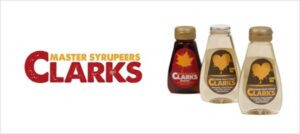
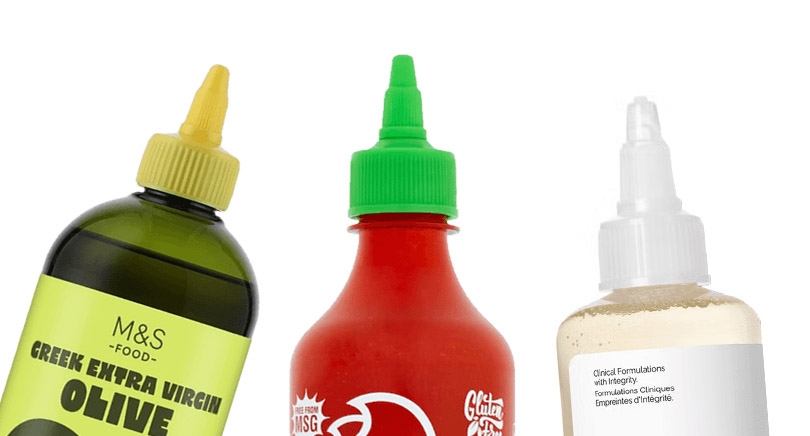
The growth of the squeezy bottles with dispensing closures illustrates this trend. They create a cleaner pouring experience, reduce product waste and provide consumers with greater control.
Plus, the use of coloured caps is helping brands improve visibility on increasingly crowded retail shelves.
As competition intensifies across many consumer categories, brands are no longer just innovating around the product, but the user experience around it too. Functionality is becoming as important as aesthetics in shaping purchasing decisions.
Lightweight Packaging Requires Robust Protection
Reducing packaging weight is only one part of the sustainability equation.
Packaging must still maintain product integrity throughout the supply chain. If leakage, contamination or spoilage occur, the environmental and commercial benefits of lightweighting can quickly be undermined by waste, returns and replacement shipments.
This is why sealing performance is becoming increasingly important as manufacturers adopt lighter materials and more sophisticated closure designs.
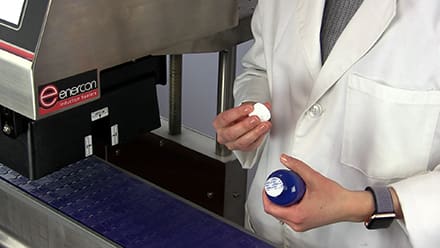
Technologies such as induction sealing help ensure product protection by creating hermetic seals that prevent leaks, provide tamper evidence and maintain product quality throughout distribution and storage.
Historically, induction sealing spouted dispensing caps was challenging because of the significant distance between the top of the cap and the foil liner. However, Enercon addressed this issue by developing its technology for both inline and handheld sealers, making reliable sealing possible. Learn more about how to seal a spouted cap here.
As packaging systems become lighter and more efficient, these supporting technologies play a critical role in ensuring performance is not compromised.
The Future of Packaging Is Experience-Led
The growing popularity of PET bottles with dispensing closures highlights a broader trend across consumer goods markets.
Brands are no longer competing solely on product formulation. Increasingly, they are competing on the complete user experience surrounding the product.
Consumers want packaging that feels intuitive, convenient and sustainable. Manufacturers want solutions that reduce costs, improve efficiency, protect product quality and meet sustainability targets.
The packaging formats that succeed in the years ahead will be those that meet the shared demands of consumers and manufacturers most effectively.
Ready to start sealing your product with a spouted cap? Contact our experts today to discuss your requirements and find the right sealing solution for your application.
GET MORE INFORMATION Contact Us
Brands aren’t just innovating the product itself anymore – they’re reimagining the experience around it. The squeezy bottle with a spouted cap combines functionality with convenience; convenience has become one of the strongest forms of product differentiation.

How to Induction Seal a Spouted Cap
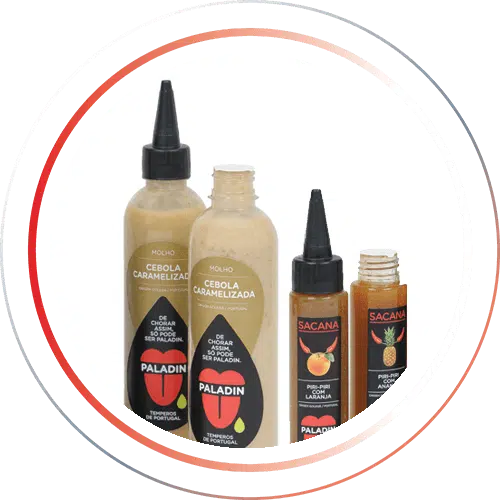
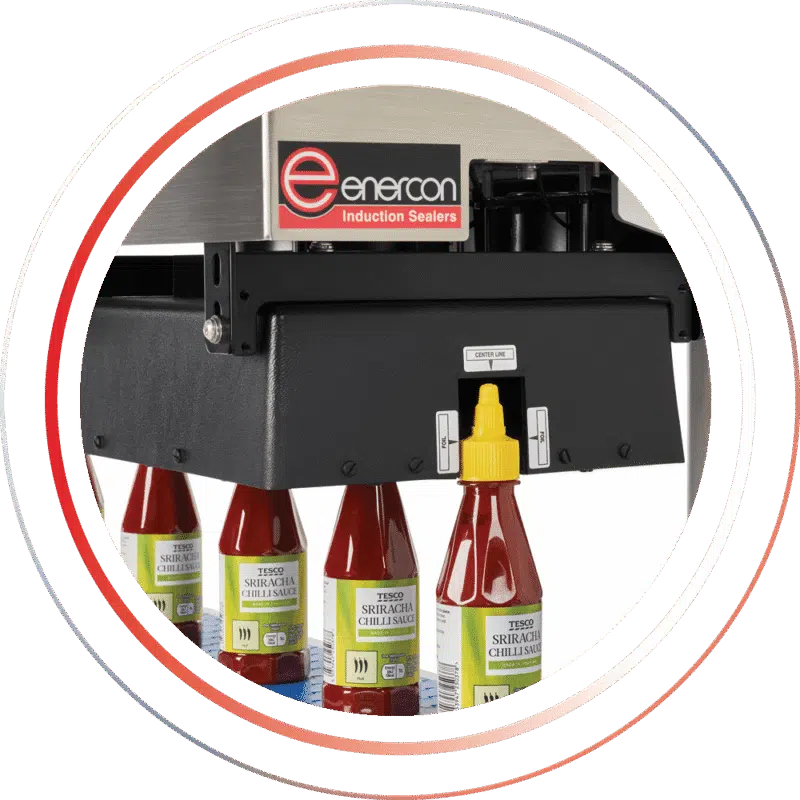
Historically, spouted dispensing caps presented a challenge for induction sealing due to the significant distance between the top of the cap and the foil liner.
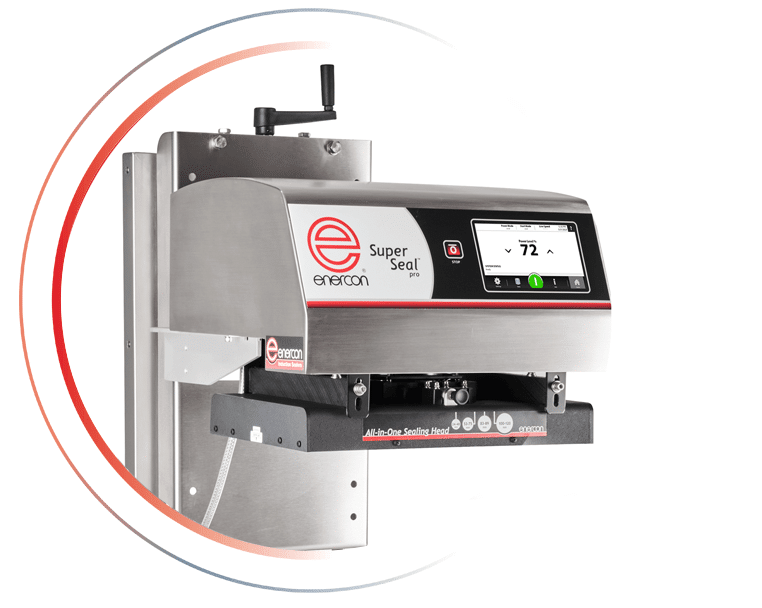
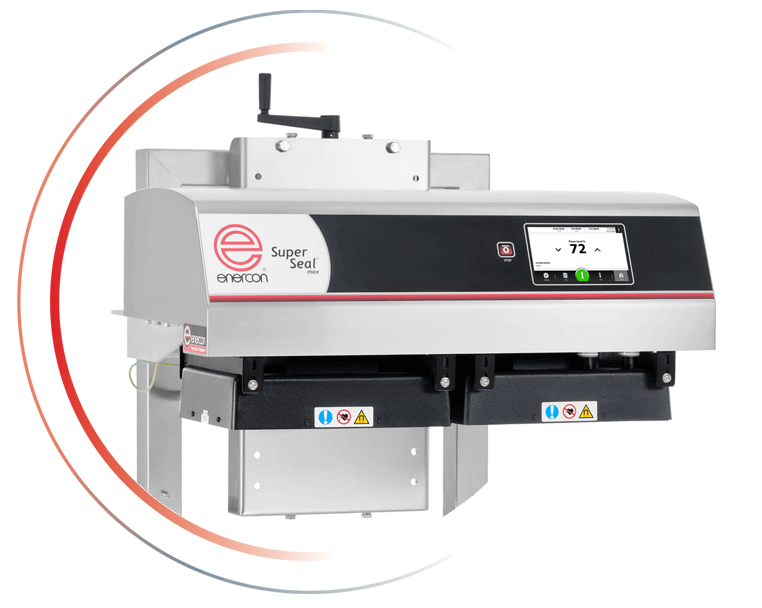
To address this issue, Enercon developed its Deep Tunnel Sealing Head for its conveyor-based sealing systems. Rather than directing energy from the top of the cap downwards, the Deep Tunnel Sealing Head focuses sealing energy precisely at the foil liner, ensuring a consistent and reliable seal.
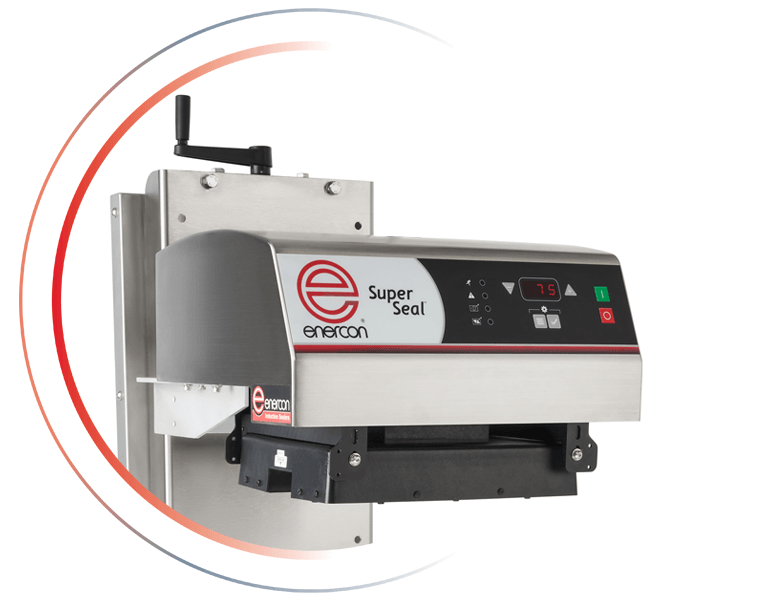
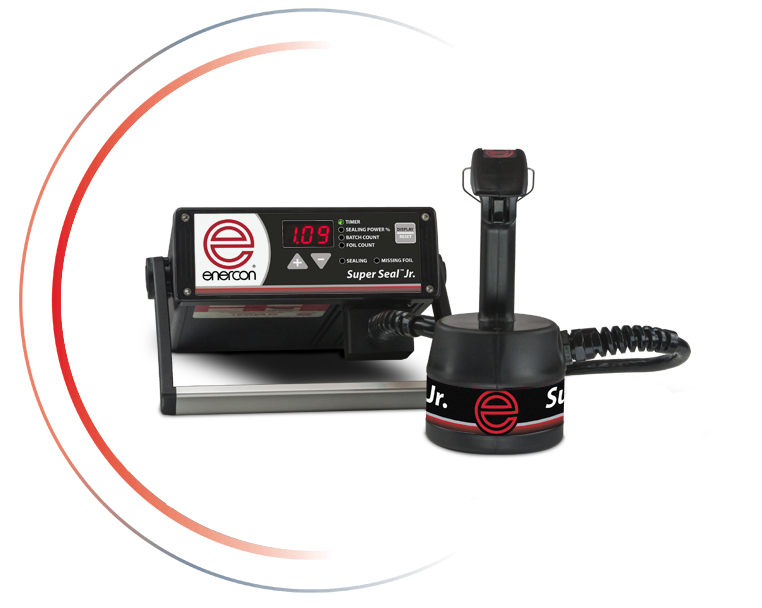
For lower-volume production environments, Enercon’s handheld Super Seal™ Junior can also be adapted to seal containers fitted with spouted caps.
If you’re looking to start sealing containers with a spouted cap, get in ouch with Enercon today.
What Our Customers Say